

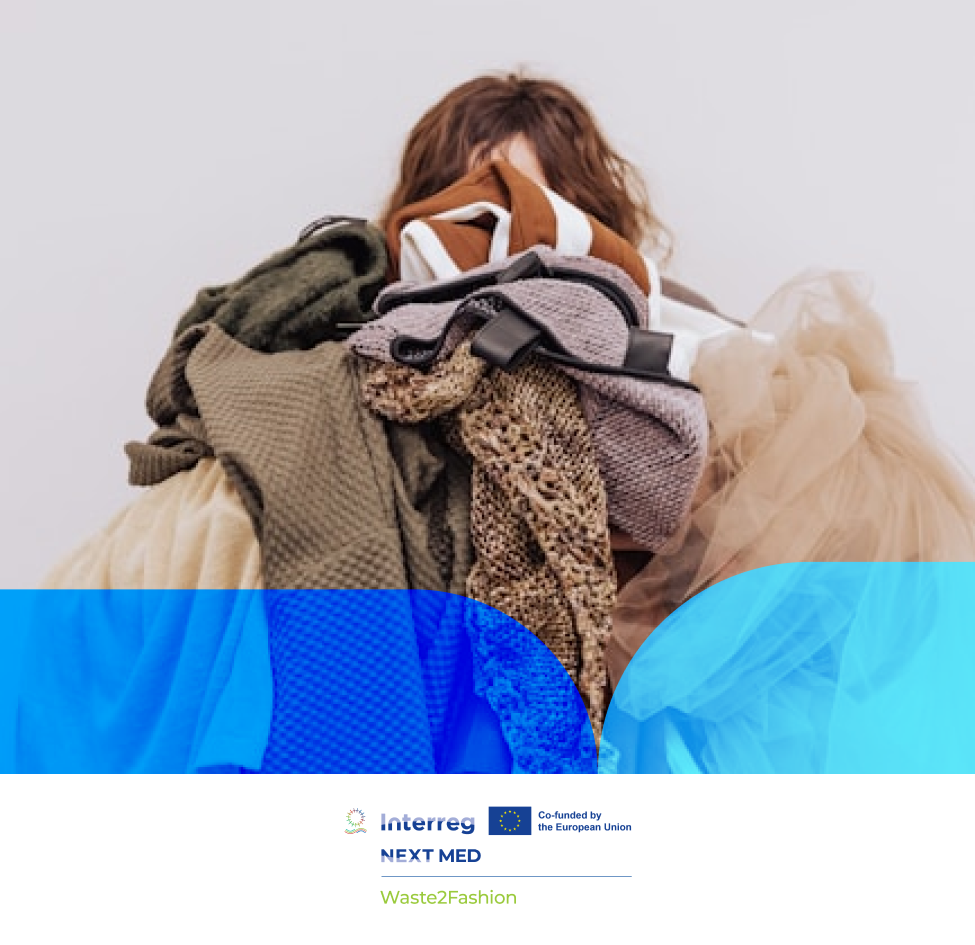
Waste2Fashion aims to minimise the negative environmental impact of post-consumer textile waste and maximising the socio-economic opportunities presented by the growing sustainable fashion sector.
Plastic Pollution


Waste2Fashion aims to foster sustainable and equitable growth throughout the Mediterranean by developing a comprehensive and scalable approach to reducing and reusing post-consumer textile waste. The project will accelerate the shift toward a circular and resource-efficient textile economy by embedding three complementary sustainability pillars into the region’s textile value chain:
Worldwide, more than 100 billion garments are sold annually, and production has doubled in just ten years. Yet, less than 1% of discarded textiles re-enter the fashion industry as recycled material, while the vast majority is incinerated or sent to landfill.
Against this global backdrop, the five participating territories currently lack the infrastructure, practices, and systems necessary to respond effectively to the environmental consequences of a predominantly linear fashion model. Waste2Fashion steps in to support the transition toward drastically reducing -and ultimately eliminating- final waste disposal, in line with the “polluter pays” principle (for EU Member States) and broader waste-hierarchy principles. The project also positions participating regions ahead of forthcoming EU legislation on textile waste management and recycling.
Waste2Fashion will deliver two pilots in Beirut, Cairo, Catalonia, Monastir and Tuscany to 1) collect, re-use and recycle and 2) to prevent and revalorise post-consumer textile waste.
The waste management and treatment pilot (WP3) will help each territory to address the challenges of end-of-life textile recycling and will be comprised of 4 pillars:
Waste2Fashion consortium brings together seven (7) partners across five (5) countries:
The consortium will use complementary experience and expertise to transfer the best practice of one territory to support the development of another in a symbiotic approach. It also also includes six (6) associated partners:
As Lead Partner MedWaves will have an active role all across the different work packages. MedWaves will coordinate the action (WP1 -Coordination- & WP2 -Communication-), support the development of circular economy business models (WP4), and harness regional governance mechanisms to facilitate policy uptake (WP5).
Regarding communication, MedWaves, in coordination with partners, will design a tailored Communication and Dissemination Plan (CDP) to amplify results and ensure optimal project impact. The primary focus is to widely spread project activities and outcomes among appropriate target communities. The CDP will ensure that project knowledge is accessible to stakeholders, excellence elements are reusable and replicable, and societal benefits are highlighted through awareness-raising and story-based communications. Target groups are clustered with three filters: 1) Impact on everyday lives, 2) Better use of results by the innovation community, and 3) Spill-over to policymakers and industry.
Waste2fashion is funded through the Interreg NEXT MED Programme. The overarching goal of the Programme is to advance inclusive, sustainable, and intelligent development throughout the Mediterranean region. It seeks to strengthen durable, well-balanced cooperation and support multilevel governance. To do so, NEXT MED funds joint initiatives tackling common socio-economic, environmental, and governance challenges at Mediterranean scale -ranging from the adoption of innovative technologies and support for SMEs, to energy efficiency, water sustainability, climate change adaptation, circular economy transitions, education and skills development, health services, and more.



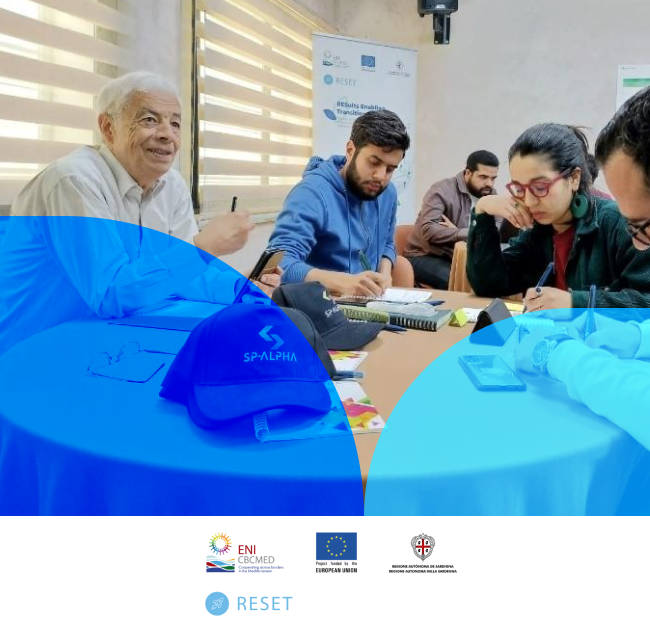
We celebrate success, using what works to continue to grow. RESults Enabling Transitions (RESET) is a project that identifies and analyses successful practices to optimise green business creation at project, local, national, and regional level across the Mediterranean.
READ MORE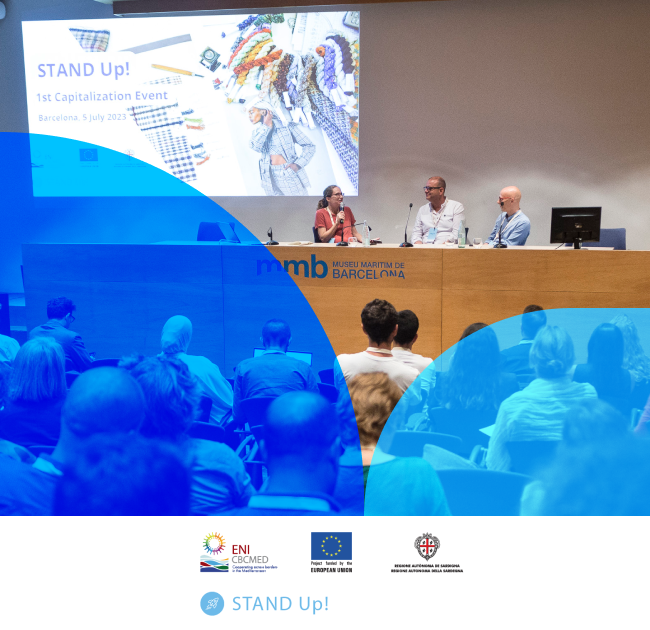
STAND UP! provides key business support and technology transfer to help scale, replicate and expand inclusive circular economy ventures in the Mediterranean, specifically aiming to generate sustainable jobs for youth and women.
READ MORE
The Green Impact MED Project (GIMED) drives positive investments for positive impacts by boosting the development of eco-innovative ventures, powering the green and circular economy in the Mediterranean.
READ MORE
The EU-funded SwitchMed programme promotes a circular economy in the southern Mediterranean by changing the way goods and services are produced and consumed. In order to achieve this, SwitchMed provides tools and services directly to the private sector, supports an enabling policy environment and facilitates exchange of information among partners and key stakeholders.
READ MORE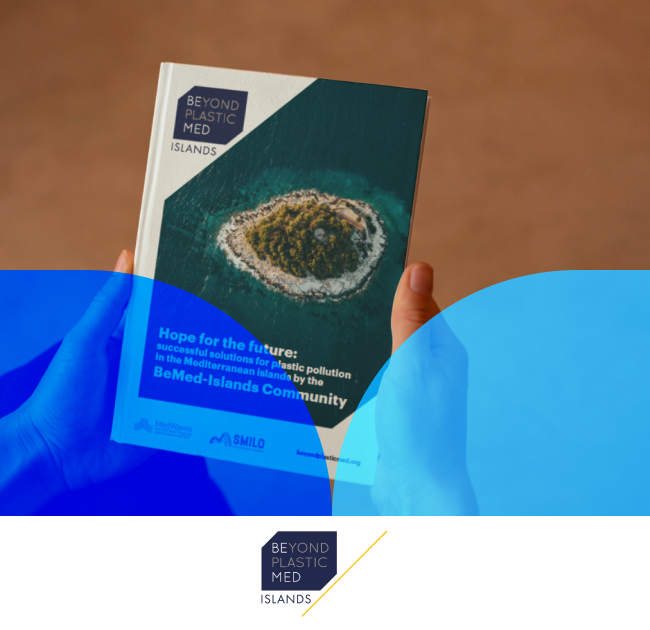
CapiMed-Islands is a capitalisation initiative to maximize the impact of numerous BeMed projects in islands with one common goal: litter-free islands. Building a community, transferring results and impacting policies are the ingredients for success
READ MORE
INPLASTICS offers a set of interactive, innovative education and communication tools to raise awareness regarding toxic additives. The programme builds capacity throughout the region to address the invisible aspects of plastic pollution so that we can all be part of the solution.
READ MORE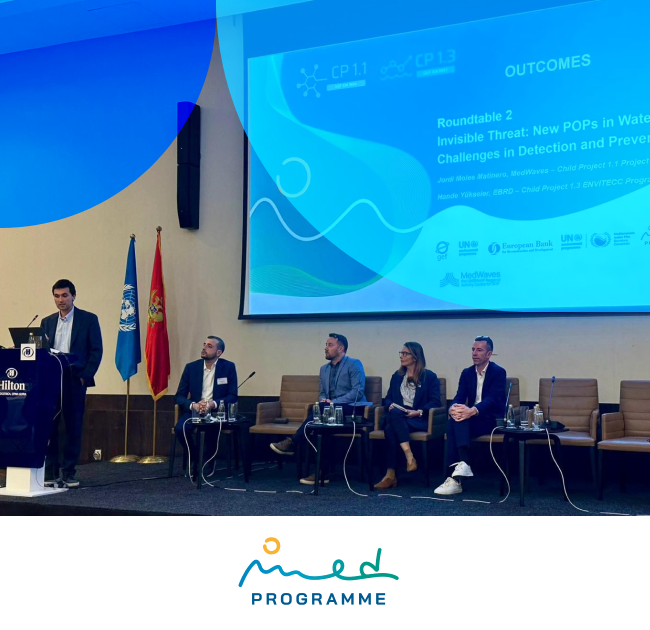
The Mediterranean Sea Programme: Enhancing Environmental Security (MedProgramme) aims to improve the health and livelihoods of coastal populations in the Mediterranean region by reducing major transboundary environmental stresses and strengthening climate resilience and water security.
READ MORE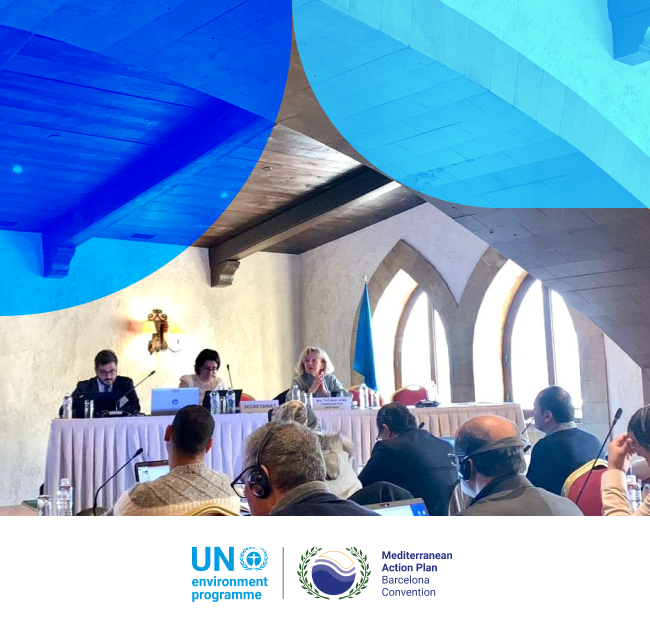
Upon the completion of the successful first phase of Marine Litter Med, the EU has renewed its commitment to support the Barcelona Convention in addressing marine litter, particularly plastic pollution. Marine Litter Med Phase II, implemented by the UNEP/MAP system, is an important opportunity for MedWaves to continue providing assistance to a number of non-EU countries in terms of prevention of marine litter and plastic pollution.
READ MORE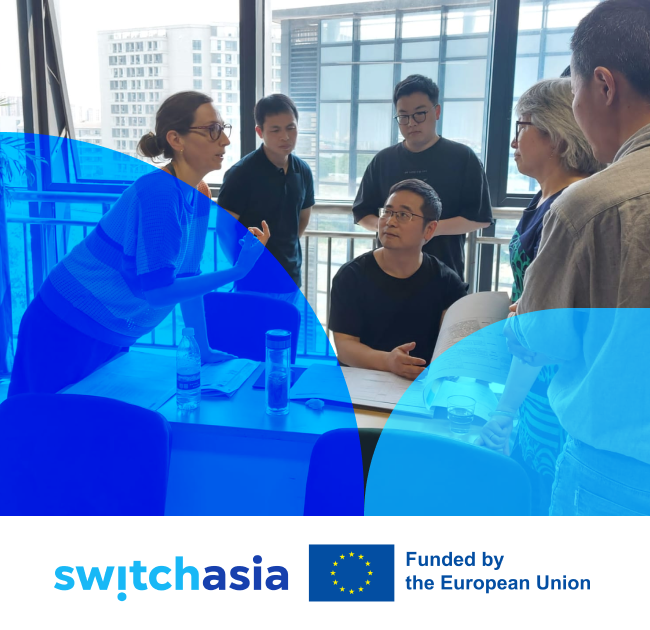
Transitions to CIRCULAR economy practices in TEXTILE and apparel MSMEs along the lifecycle in Huzhou and Shaoxing is a project that draws on the foundation built from successful sustainable development in the Mediterranean. Sharing knowledge and practices, support is delivered to facilitate the transition to circular economy practices in the textile and fashion industry in Huzhou City and Shaoxing City, China by 2025.
READ MORE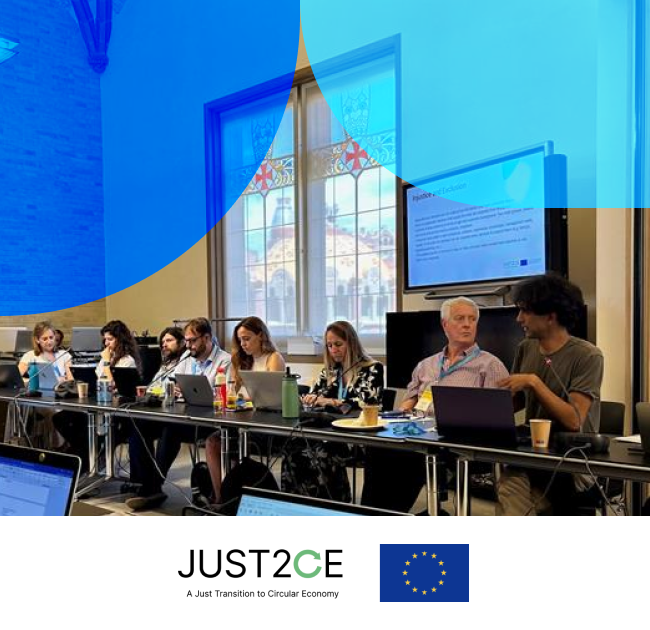
JUST2CE promotes a global transition to a circular economy by supporting a more democratic and participatory mechanism of governance over the productive processes that underpin design and management of technologies.
READ MORE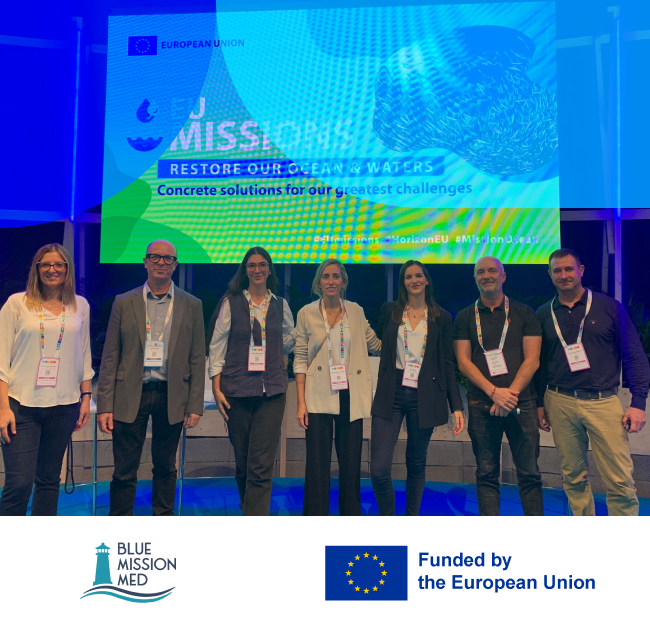
BlueMissionMed inspires, informs, assesses, mobilises, connects and empowers all the actors that can take a role in preventing and eliminating pollution in the Mediterranean sea and waters.
READ MORE
BlueMissionMed inspires, informs, assesses, mobilises, connects and empowers all the actors that can take a role in preventing and eliminating pollution in the Mediterranean sea and waters.
READ MORE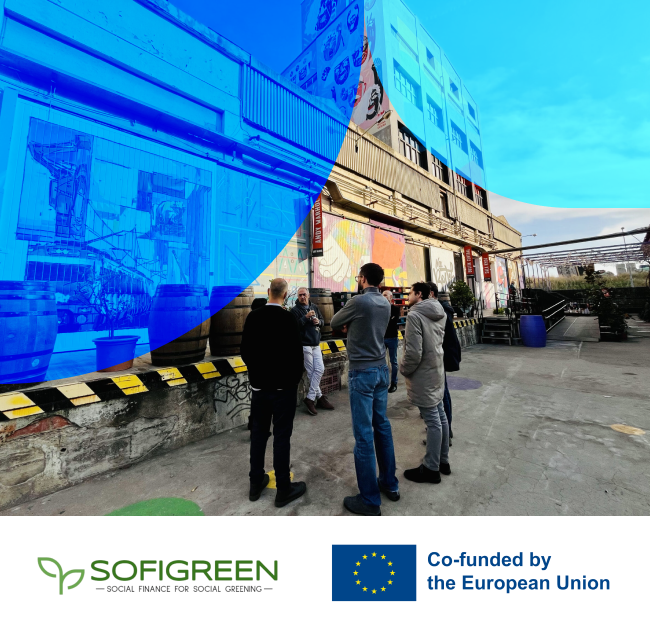
Social Finance for Social Greening (SOFIGREEN) is a European project supporting small-to-medium sized enterprises (SMEs) to be leaders in the green social economy. Through transnational cooperation, increased awareness and access to financing instruments, SOFIGREEN establishes important keys to success, such as investment readiness and multi-level (local, regional, cross-border) collaborations.
READ MORE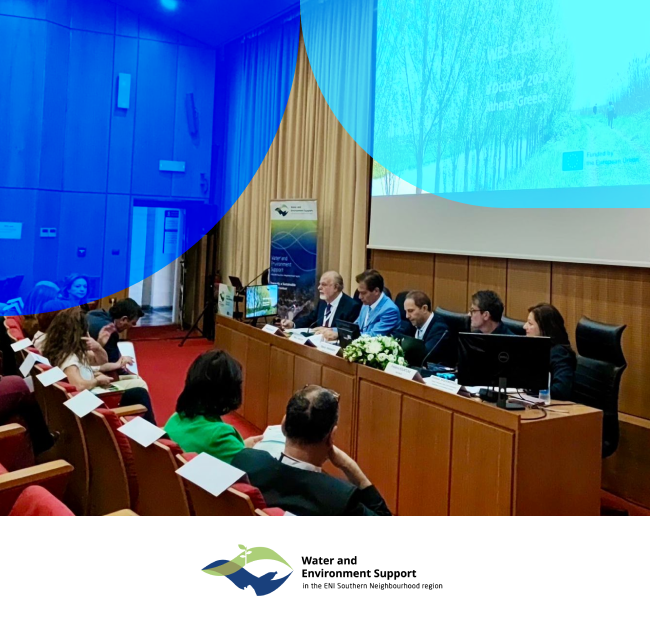
The Water and Environment Support (WES) in the ENI Neighborhood South Region project implements an integrated approach to pollution reduction and prevention in order to protect natural resources and improve the management of scarce water resources in the Mediterranean.
READ MORE
SEACURE aims at demonstrating, scaling up and replicating effective innovations for the systemic prevention and reduction of nutrient pollution in the Mediterranean Sea basin, in line with the innovation ecosystem framework provided by the ongoing Mediterranean Lighthouse projects and in close cooperation with related activities implemented by regional soil health living labs in the area.
READ MORE
The Mediterranean islands are particularly hard hit by the problem of plastic waste. These fragile territories are subject to major leaks of waste into the marine environment, but they also offer an ideal testing ground for new solutions. CapiMed + wants to support projects with a measurable impact on reducing plastic pollution.
READ MORE
Upon the successful completion of first and second phase of Marine Litter Med, the EU has renewed its commitment to support the Barcelona Convention in addressing marine litter, particularly plastic pollution. Marine Litter MED PLUS, implemented by the UNEP/MAP System, is a renewed opportunity for MedWaves to continue supporting a number of non-EU countries in terms of prevention of marine litter and plastic pollution.
READ MORE
Community4Innovation is an Interreg Euro-MED Thematic Community Project supporting the transition to a circular economy by strengthening an innovative sustainable economy (ISE) in the Mediterranean region. Through the inclusive involvement of 4-helix stakeholders and the enhancement of research and innovation capacities, the uptake of technologies is possible for all.
READ MORE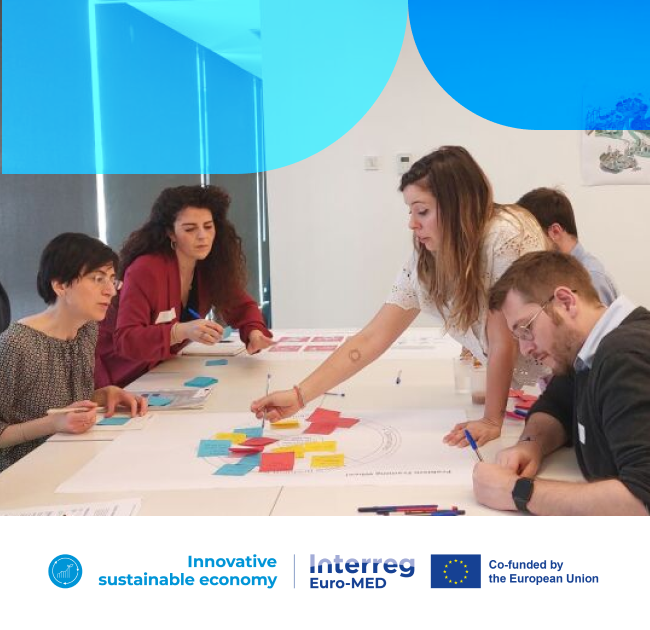
Dialogue4Innovation project is an institutional dialogue project providing opportunity to create long-lasting improved conditions for institutional and social dialogue in the Mediterranean region. The programme bridges transnational matters with local solutions, enhancing coordination, policy coherence and alignment to a more innovative and sustainable economy while engaging with a large network of organisations from the 4-helix.
READ MORE
LooP Zone uses the concept of a ‘low plastic zone’ – a geographically defined area taking collective action to prevent and reduce the generation of local plastic waste and (marine) litter. LooP Zone aims to measurably and sustainably reduce the use of Single Use Plastics (SUPs) by the HORECA sector on 5 tourist islands: Formentera (Spain), Salina (Italy), Skiathos (Greece), Vis (Croatia) and Gozo (Malta), supporting the move to a sustainable local tourism economy.
READ MORE
WES-BCA aims to improve the protection of the environment, the restoration of biodiversity and the management of scarce water resources, while enhancing the resilience to climate change in the Mediterranean region, strengthening the formulation and enforcement of the relevant policies of the Partner Countries (PCs) and the two regional political frameworks, namely the Union for the Mediterranean (UfM) and the Barcelona Convention.
READ MORE